So I braved the rain and made it to the Charisma conference at Columbia yesterday, and I'm very glad I did. I only saw two of the six papers, but both were pretty great. The first was Mary Poovey on "Charisma and Responsibility in the University Setting." Most of her talk was essentially rehearsing and commenting on work by two historians: William Clark's Academic Charisma and the Origins of the Research University and Ian Hunter's "Learning the Literature Lesson: The Limits of the Aesthetic Personality." The basic questions in play in Poovey's talk were these: (a) what separates the kind of knowledge gained from humanistic studies from that gained in studying the sciences; and (b) how much does teaching in the humanities depend on charisma, either of the instructor or, by virtue of affective transfer, of the author or text? She pointed out that the basic practice of English teachers is to get students to pay as close attention to a text as they would to a beloved, charismatic, but slightly inscrutable teacher, thus prolonging the magical teacher/student relationship over the course of the student's entire life. Her basic idea was that English departments are devoted to producing a "self-divided, self-defining subject" (I think this may be a quote from Hunter actually), thus "normalizing a model of subjectivity that requires endless cultivation," which is a little stark and Foucauldian for my taste but I definitely take her point. At the end of her talk she gave a couple of possible alternatives to this charisma-based pedagogical practice, but she didn't seem too excited about any of them (getting in a couple of jabs at Franco Moretti in passing), and finally broke off by saying, "I had to stop writing my paper here because it just started to seem too depressing." Maybe so, but also potentially really productive, I think: I'm going to try and see if I can think about some of these issues more with regard to my own teaching.
Also fascinating was Michael Warner's "Preachers and Publics," which put forward an argument that evangelical Christianity was one of the earliest and most successful forms of mass communication under modern public sphere conditions. The fact that evangelicals could assemble a congregation anywhere at any time, not just in a church or other consecrated space, was what allowed them to spread so effectively (and, later, to globalize). Leaving aside the content, I was super-impressed by Warner's rhetorical style and ability to present a complex argument clearly and effectively, making use of both historical evidence (including this totally amazing clip of the preacher Kathryn Kuhlman) and Habermasian critical theory, lightly worn but thoroughly absorbed and understood. He was also really poised and articulate during the Q&A session, which (typically for Columbia, it seems to me) got a little more pointed than is the norm at our genteel alma mater.
Well, anyway, you shoulda been there. (And I shoulda stayed for Eli Zaretsky and Andreas Kalyvas, probably, but I was getting hungry and was already intellectually overstimulated.) But thanks to the familiar miracle of the public blogosphere it's almost like you were there, experiencing all that academic charisma yourself, isn't it? I bet you can almost taste the free coffee.
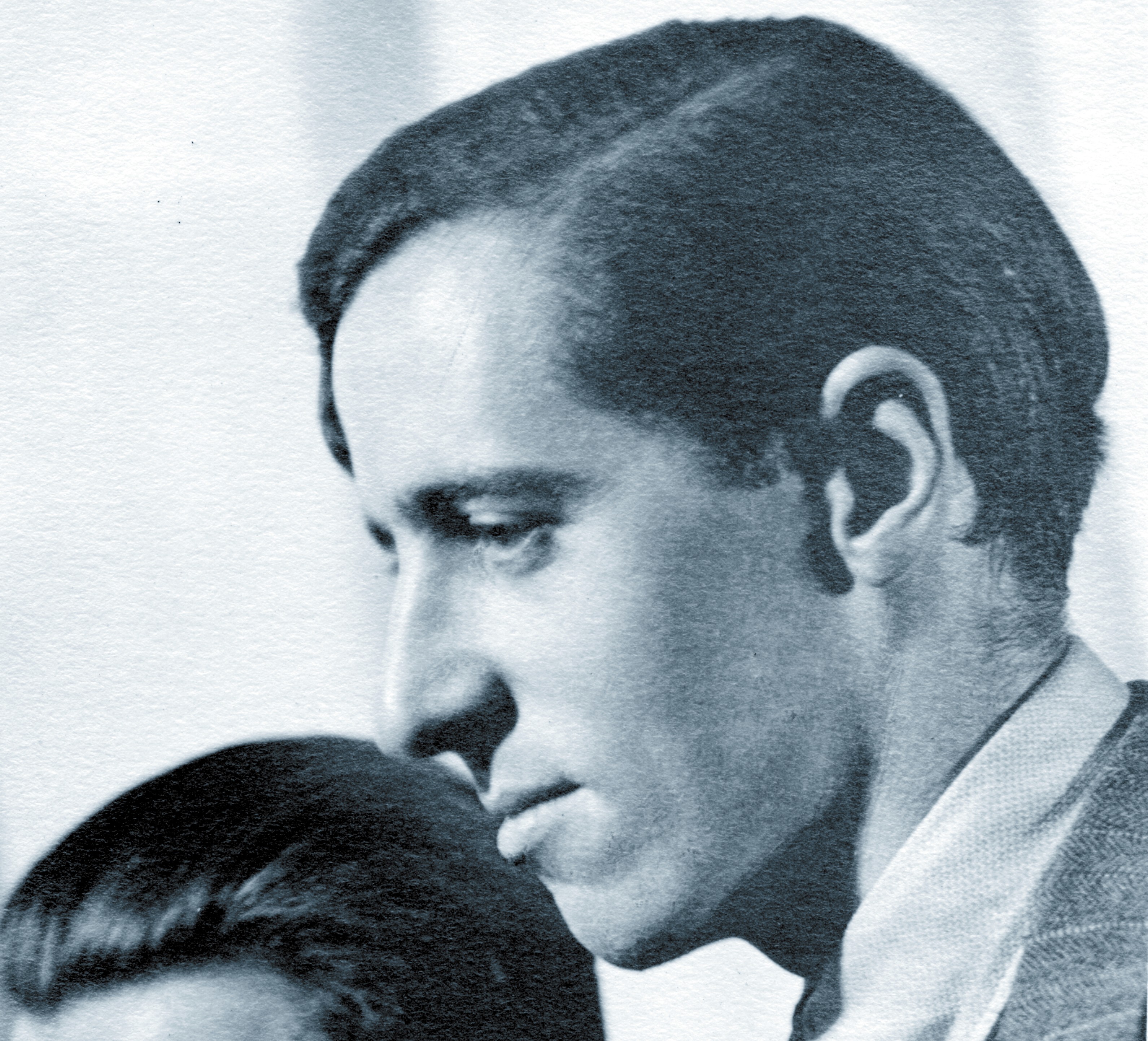
P.S. Despite the snazzy poster image, Bill Clinton was never invoked, though there was a pretty interesting discussion in the Q&A about the quasi-evangelical rhetorical style of Barack Obama, and how it makes certain Democrats uncomfortable. Warner made the point that the element of danger — the idea that the speaker is out on the edge, saying something potentially wrong or disruptive — is a key element of the evangelist appeal, and that Obama has that right now (referencing the recent New York Times article about fears that he'll be assassinated). Surprising how rare it is for realpolitik of any kind to pop up in an academic literature conference (again, at least at Princeton). Just one more reason to wax Michael Warner's car.